
22
Research Hours
371
Companies Reviewed
1,745
Cards Reviewed
- Best cash back credit cards compared
- Methodology
- Sources
- Beginner's guide to cash back credit cards
- About the author
- User questions & answers
- Expert opinions
Best Cash Back Cards Compared
| Credit Card | Best For | Cash Back Rate |
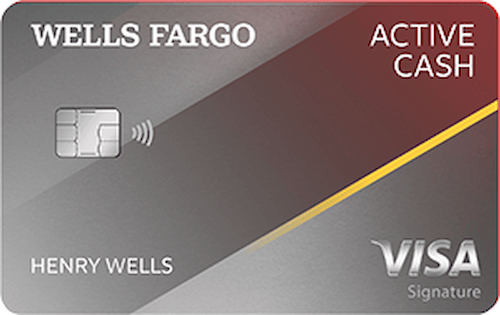
| Wells Fargo Active Cash® Card | Overall | 2% Cash Rewards |
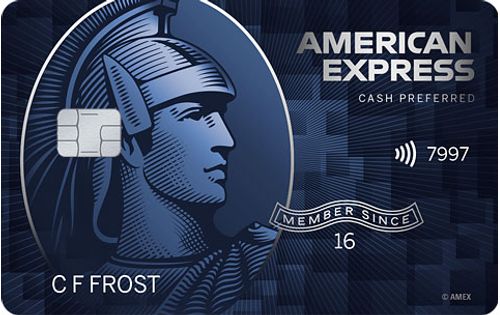
| Blue Cash Preferred® Card from American Express | Bonus Rewards | 1 - 6% Cash Back |
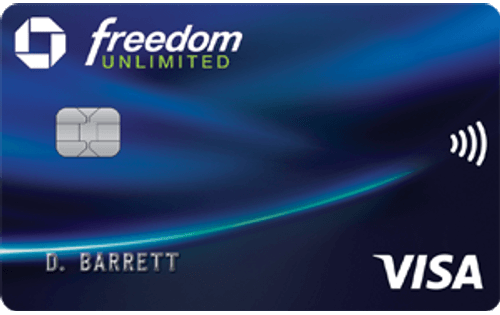
| Chase Freedom Unlimited® | Cash Back with No Annual Fee | 1.5 - 5% Cash Back |
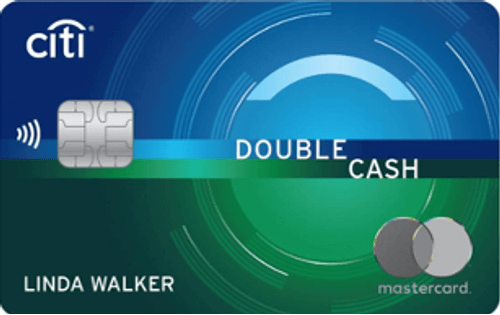
| Citi Double Cash® Card | Cash Rewards for Fair Credit | 2% Cash Back |
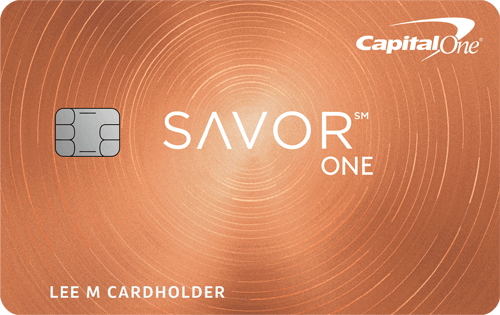
| Capital One SavorOne Student Cash Rewards Credit Card (see Rates & Fees) | Students | 1 - 8% Cash Back |
| Capital One Spark 2% Cash Plus * | Business | 2 - 5% Cash Back |
Finally, if you’d like to make things really easy, you can simply sign up for a free WalletHub account and get a personalized credit card recommendation based on your latest credit score and your specific financial needs. The best cash rewards credit cards are pretty easy to spot. You just need to know what your credit score is, what types of purchases you plan to use your card for, and roughly how much you’ll spend. That will tell you which cards you’re likely to qualify for and help you choose between the available offers.
Methodology for Picking the Best Cash Back Credit Cards

To identify the best cash back credit cards, WalletHub’s editors compare 1,500+ credit card offers on a regular basis. After narrowing down the field to the hundreds of cards offering cash back rewards, we compare those offers based on their initial bonuses, rewards earning rates on purchases, annual fees, approval requirements and secondary benefits such as 0% introductory APRs.
Given that so many cash back credit cards are available, catering to a diverse mix of users, we try to select a range of representative cards for inclusion on this page. In particular, you will find the top cash back credit cards by credit score as well as the best cash back credit cards for an initial bonus, a flat earning rate on all purchases, bonus cash back in popular spending categories and more.
Sources
WalletHub actively maintains a database of 1,500+ credit card offers, from which we select the best cash back credit cards for different applicants as well as derive market-wide takeaways and trends. The underlying data is compiled from credit card company websites or provided directly by the credit card issuers. We also leverage data from the Bureau of Labor Statistics to develop cardholder profiles, used to estimate cards’ potential savings.
Beginner's Guide to Cash Back Credit Cards
What Is a Cash Back Credit Card?
A cash back credit card is a type of credit card that rewards you by returning a specific percentage of your spending. Typically, these cards provide at least 1% cash back on all your purchases, translating to earning $1 in rewards for every $100 spent. You can typically redeem the cash back in the form of a statement credit, check, or direct deposit to your bank account.
Learn more about what cash back credit cards are all about.
How Do Cash Back Credit Cards Work?
Cash back credit cards reward you by refunding a percentage of the purchases you make. Some cards reward you at the same rate on all purchases. For example, you might earn 1.5% cash back on everything you buy. Other cards give you a higher cash back rate for purchases in certain spending categories. For instance, you might get 3% cash back at restaurants, 2% back at grocery stores, and 1% back on everything else.
In addition to ongoing rewards in return for making purchases, many cash back credit cards offer an initial bonus to reward you for spending a certain amount during the first few months your account is open. For example, you might get $200 for spending $1,000 in the first three months.
Some cash back cards will also reward you for referring a friend or meeting an annual spending requirement. You might get $50 for each person you refer who gets approved for an account or earn an extra $100 for spending $20,000 in a year. The exact offers vary by issuer and card.
Most cash back credit cards allow you to redeem what you earn for a statement credit to offset charges on your credit card bill, a check, or a direct deposit to a bank account. You may also be able to redeem for things like travel and gift cards, depending on the card.
Overview of How Cash Back Credit Cards Work
- Earn a percentage of the amount spent with your cash back credit card each time you make a qualifying purchase.
- Allow time for the cash back rewards to post to your account, which might take 1-2 billing cycles.
- Cash in your earnings for a statement credit, check or direct deposit.
The easiest way to redeem cash back rewards is to log in to your credit card company’s website or mobile app and follow the prompts. Rewards redemption information should be front and center. You can also redeem over the phone by calling the number on the back of your card.
Even though cash back is pretty straightforward, there are plenty of other things worth knowing about earning it, redeeming it, and everything in between.
Other Key Things to Know About How Cash Rewards Cards Work
Credit Requirements: Cash back credit card offers are available to people across various credit levels, but you need good or excellent credit to get the very best cash back credit cards on the market.
Fees: Some of the best cash back credit cards charge annual fees to help support stellar rewards. They can be worth it if you use your card a lot, but there are plenty of annual fee-free offers to consider as well.
Rewards Expiration: Cash back rewards remain valid as long as your account is open and in good standing. However, in certain situations, cash back may expire either due to card inactivity or the passage of a specific time period since earning the rewards.
Redemption Restrictions: Some credit card companies won’t let you redeem until you earn a certain amount of cash back – $25, for example.
Stability: In contrast to points and miles, whose value can be determined by the card issuer, cash back maintains its value and is not subject to devaluation.
Other than the rewards, cash back credit cards work like any other type of credit card. Payments, interest charges, and credit-bureau reporting all work the same way, for example.
Learn more about how cash back works on a credit card.
Types of Cash Back Credit Cards
The main types of cash back credit cards are cards with flat rewards rates that don’t change, cards with tiered rewards where the earning rate changes based on how much you spend or what you buy, and cards that give bonus rewards in spending categories that change. Each type caters to different spending styles, and a thoughtful combination of cards can enhance your rewards potential.
1. Flat-Rate Cash Back Credit Cards
These cards provide a consistent cash back rate for all purchases. The top flat-rate cards typically yield at least 1.5% cash back on all purchases, along with a signup bonus, and often have no annual fee.
2. Tiered Cash Back Credit Cards
These cards reward you at different rates depending on how much you spend or what you purchase. For instance, a tiered cash back card might offer 2% cash back on all purchases, up to $10,000 spent in a year, and then provide 1% cash back on subsequent purchases. Alternatively, it might offer distinct rates for specific spending categories like 4% back on grocery store spending, 3% for restaurant purchases, and 1% on all other transactions.
3. Cash Back Credit Cards with Rotating Bonus Categories
These cards feature higher cash back rates for specific types of purchases that change over time, typically quarterly. For example, you might earn 5% cash back on bonus-category purchases up to a quarterly spending limit and 1% back on all other purchases.
Note that some cards with changing bonus categories may require you to activate the new bonus categories each time in order to earn the bonus rewards rate.
Choosing Between the Different Types of Cash Back Cards
If you prefer simplicity and want to avoid dealing with spending categories, a flat-rate cash back card is ideal. However, if you don't mind activating bonus categories each quarter in return for a higher rewards rate, a bonus-category cash back card could be advantageous.
For those comfortable managing multiple credit cards, combining different types can elevate your rewards. For example, using a tiered card exclusively for groceries, a bonus category card for diverse rewards opportunities, and a flat-rate cash back card for your remaining expenses can enhance your overall rewards.
Learn more about the different types of cash back credit cards.
Pros and Cons of Cash Back Credit Cards
Cash back credit cards offer significant advantages – most notably, savings on every purchase. Many cash back cards also have $0 annual fees, 0% introductory APRs and initial bonuses. Conversely, their drawbacks include lower earning rates compared to travel rewards cards and high regular APRs.
In addition, the general advantages and disadvantages of credit card usage apply to cash back credit cards as well. On the positive side, they provide convenience and contribute to credit-building, while the potential downsides involve the risk of overspending and the potential to hurt your credit if you don’t pay the bills on time.
Pros and Cons of Cash Back Credit Cards
| Pros | Cons |
|---|---|
| Cash back is straightforward/easy to understand | Travel rewards cards may offer more savings potential |
| Cash back can’t be devalued as easily as points/miles | Bonus rewards may be restricted by earning limits/activation requirements |
| Initial bonuses are common and easy to earn | Cash rewards can expire, like points/miles |
| No annual fee cash back cards are plentiful | Rewards cards usually have high regular interest rates |
| Some cash back cards have 0% introductory APR promotions | Some of the best cash rewards cards charge annual fees |
Learn more about the pros and cons of cash back credit cards.
Cash Back vs. Travel Rewards Credit Cards
Cash back and travel rewards are the two most popular types of credit card rewards. Cash back rewards are very straightforward and transparent. You don’t have to wonder how much a credit card’s cash back rewards are worth, and you can easily redeem cash back for a statement credit to help pay your credit card bill. Travel rewards, on the other hand, typically come in the form of points or miles, the value of which is not always very clear. You might also sacrifice a lot of value if you redeem travel rewards for anything other than travel.
The credit cards that offer cash back and travel rewards have plenty of other differences, too. For one thing, people of all credit levels can get a cash back card, but the same cannot be said for travel rewards cards. Travel cards also tend to be more expensive to own and potentially more rewarding, as you can see below.
| Category | Cash Back Credit Cards | Travel Credit Cards |
|---|---|---|
| Average Initial Bonus | $228 | 31,964 points/miles |
| Average Rewards Rate | 1.15% cash back | 1.22 points/miles per $1 spent |
| Annual Fee Range | $0 - $250 | $0 - $995 |
| Min. Credit Needed | None | Good credit or better* |
The best travel rewards credit cards often boast higher earning rates compared to cash back cards, offering the potential for increased overall savings. However, these travel cards come with more constraints, mandating redemption for eligible travel expenses to optimize rewards value. It's noteworthy that certain travel cards may diminish the value of your points or miles by half if you choose to redeem for cash back. As a result, you should get a travel credit card only if you plan to travel at least several times per year. Stockpiling points or miles for some unplanned future trip that might be years away isn’t the best idea since travel rewards can be devalued.
Most people are better off with one of the best cash back credit cards. Earning 1% - 5%+ back on every purchase and actually being able to use the rewards to save money on a regular basis is a better deal than points or miles that may never get redeemed. People with limited, bad or fair credit should go with cash back cards, too, given the lack of travel options.
You can learn more from our full travel rewards vs. cash back comparison.
Who Should Get a Cash Back Credit Card?
Most people should have at least one cash back credit card for everyday expenses because it can save you 1% to 5%+ on purchases and doesn’t have to cost you a thing. There are plenty of options with no annual fee, and you should be able to find a worthwhile cash back card no matter your credit level.
If you’re still on the fence, ask yourself the following questions. The more times you answer “yes,” the more advantageous a cash back credit card is likely to be.
Do you expect to earn more in rewards than you pay in fees and interest? The value derived from the credit card's rewards throughout an average year should surpass the total cost of the annual fee, along with any other anticipated fees and interest.
Will you earn rewards at an above-average rate? The average cash back card gives about 1% back on all purchases. Some cards offer higher rates either universally or in specific categories.
Can you qualify for a good initial bonus without overspending? Certain credit cards offer bonus cash back for reaching a specified spending threshold in the initial months after you open an account.
Will you be able to redeem what you earn regularly? Allowing your cash back rewards to accumulate without regular redemption is a wasted opportunity to save money, and some rewards may expire over time.
Learn more about when it’s good to get a cash back credit card.
How to Compare Cash Back Credit Cards
The best way to compare cash back credit cards is to:
- Estimate how much you will earn with each card over the course of one or two years (depending on how long you plan to keep the card), based on your actual spending habits and the cards’ rewards rates.
- Subtract any annual fees from your potential earnings.
- Use features like 0% promotions and regular interest rates as tie-breakers.
- Choose the card that promises to save you the most money overall.
If you really want to make things easy on yourself, you could simply peruse WalletHub’s editors’ picks for the best cash back credit cards and apply for whichever offer you like the best. You can also sign up for a free WalletHub account to further personalize the experience. You’ll get credit card recommendations tailored to your credit history and preferences.
Finally, if you’re in the market for more pointers, consult our tips for finding the best card below.
5 Tips for Finding the Best Cash Back Credit Card
- Check your credit score. This will tell you which tier of cash back credit cards to consider, saving you from wasted time and effort as well as possible rejection. Make sure to check your latest credit score, too, because your rating might have changed since the last time you saw it.
- Crunch the numbers. Apply the terms of every card you’re seriously considering to your actual spending habits in order to estimate how much you will earn over the first year or so of use. This will give you a clear metric by which to compare offers, while forcing you to consider how relevant certain perks will actually prove to be.
- Don’t forget fees. You should neither overlook fees when calculating expected card earnings, nor dismiss cards that charge annual fees. Sometimes, paying an annual fee can help you earn more than you would otherwise. You just need to make an informed choice.
- Use the Island Approach. This means using multiple credit cards, each for a specific type of transaction. It’s a great way to get the best terms for each of your financial needs, and it will save you from trying to find a single card that can do anything.
- Beware of rotating bonus categories. Some cash back credit cards offer an eye-catching maximum earning rate that applies to a certain purchase category, which rotates on a quarterly basis. We’re not big fans of this framework because you have to sign up every few months and there’s no guarantee the bonus categories will match your biggest expenses.
Learn more about how to pick the best cash back credit card for your needs.