 WalletHub
 Compare Travel Credit Cards
WalletHub experts track 1,500+ cards to help you easily compare travel credit card offers
TRAVEL CARD COMPARISON
We're sorry, but after searching our extensive database, we were unable to locate any credit cards that match the following criteria: {{tag.tag}}{{$last ? '' : ', '}}

- 20,000 miles initial bonus
- Unlimited 1.25 miles per $1 on every purchase
- Miles are redeemable for any travel-related expense on your bill
- 0% intro APRs
- No annual fee
- Balance transfer fee
- Potential for a very high regular APR

- 75,000 miles initial bonus
- Unlimited 2 miles per $1 on every purchase
- Redeem for any-travel related expense
- $0 foreign transaction fee
- Terrible cash back redemption rate
- Not built for financing
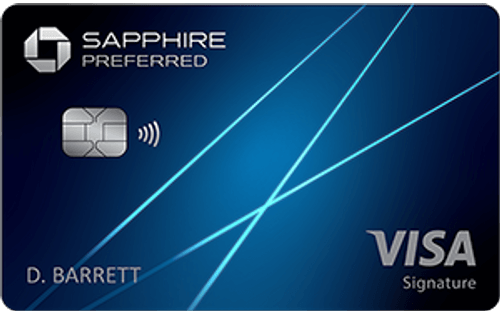
- 60,000 points - initial bonus
- Up to 6.25% back when redeeming for travel
- No foreign transaction fees
- $95 Annual fee
- 1 point per $1 base earn rate
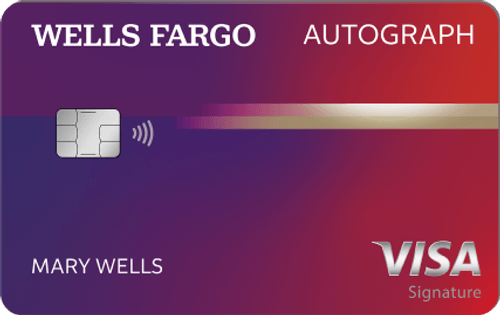
- 20,000-point initial bonus
- 3 points / $1 spent in bonus categories
- $0 annual fee
- 0% for 12 months from account opening on purchases intro offer
- $600 in cell phone protection (subject to a $25 deductible)
- 20.24% - 29.99% Variable regular APR
- No balance transfer promotion

- No membership fees
- High rewards rate
- 20,000 points initial rewards bonus
- No foreign fee
- No intro APR
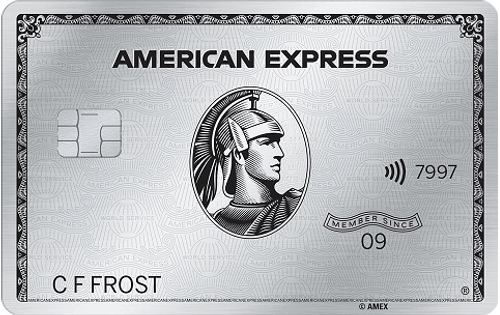
- 80,000 points offer
- Hundreds in annual credits
- $695 annual fee
- Limited financing capabilities
- No preset spending limit
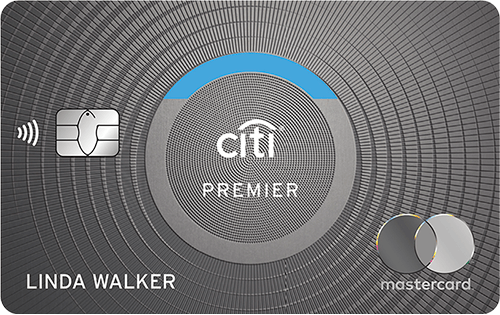
- 60,000 points initial bonus
- 3 points per $1 spent on travel, gas, dining and at supermarkets (1 point per $1 on everything else)
- No foreign-transaction fees
- $95 annual fee
- No 0% intro rates
- High regular APR
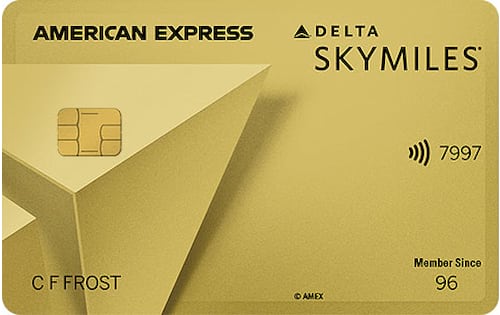
- Good initial bonus offer
- Up to 2 miles / $1 spent
- Free checked bags
- $0 intro annual fee the first year ($150 after)
- High APR
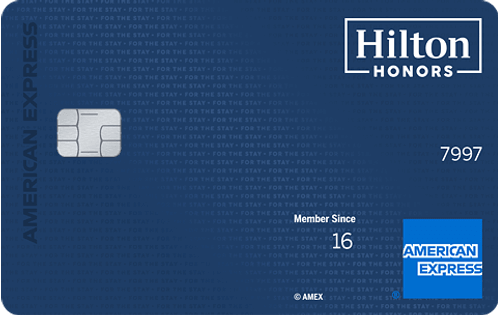
- High rewards rate
- 130,000 Hilton Honors Bonus Points welcome offer
- No foreign fee
- High membership fees
- No intro APR on purchases
- No balance transfers allowed
- Requires good/excellent credit

- $0 annual fee
- 1.5 miles per $1
- First-year rewards get doubled
- 0% foreign transaction fee
- Intro APRs on purchases and balance transfers
- High regular interest rate
- Not as rewarding after the first year
Do I have to be a frequent traveler to get a travel rewards credit card?
Well, it depends on your motivation in opening a credit card with travel rewards. If you simply wish to take advantage of an offer with an attractive initial bonus (e.g. a free flight or free hotel), then by no means do you need to be a frequent traveler. Everyone takes vacations, after all. However, you should be a frequent traveler if you plan on using a travel credit card on an ongoing basis because not only do you want your rewards credit cards to match your biggest expenses, but you also need to be in a position to minimize the threat of rewards devaluation, which is only possible via frequent redemption. A frequent traveler is someone who compiles at least 30,000 air miles or 20 hotel nights a year.
About the author

John S Kiernan
Travel Credit Cards FAQ
Comparing travel credit cards can be tough. But you’ve got the knowledgeable WalletHub community on your side. We encourage everyone to share their knowledge while respecting our content guidelines. Please keep in mind that editorial and user-generated content on this page is not reviewed or otherwise endorsed by any financial institution. In addition, it is not the financial institution’s responsibility to ensure all posts and questions are answered. WalletHub independently collected information for some of the cards on this page.show more
show less
Searching for answers... No Matching Results














Featured Credit Cards


Important Disclosures
We work hard to show you up-to-date product terms, however, this information does not originate from us and thus, we do not guarantee its accuracy. Actual terms may vary. Before submitting an application, always verify all terms and conditions with the offering institution. Please let us know if you notice any differences.
† Approval Odds are WalletHub estimates intended to gauge your likelihood of approval for a particular product. Approval Odds are based on WalletHub data and are not provided or endorsed by the lender. Approval Odds are not meant to imply or guarantee that you will be approved by the lender or that credit will be extended. WalletHub may share your information with third-parties in order to show personalized offers, as well as enable you to interact more easily with pre-fill forms or applications. You can opt-out of sharing your personal info here.
Ad Disclosure Certain offers that appear on this site originate from paying advertisers, and this will be noted on an offer’s details page using the designation "Sponsored", where applicable. Advertising may impact how and where products appear on this site (including, for example, the order in which they appear). At WalletHub we try to present a wide array of offers, but our offers do not represent all financial services companies or products.
Editorial and user-generated content on this page is not provided, commissioned, reviewed, approved or otherwise endorsed by any issuer.
Your web browser (Internet Explorer) is out of date and no longer supported.
Please download one of these up-to-date, free and excellent browsers: