


- Best balance transfer credit cards compared
- What is a balance transfer credit card?
- How to do a balance transfer
- How long does balance transfer take?
- Should you get a balance transfer credit card?
- Pros and cons of balance transfer credit cards
- Alternatives to a Balance Transfer
- Methodology
- Sources
- About the author
- User questions & answers
- Expert opinions
Best Balance Transfer Cards Compared
| Balance Transfer Card | Intro Balance Transfer APR | Balance Transfer Fee |
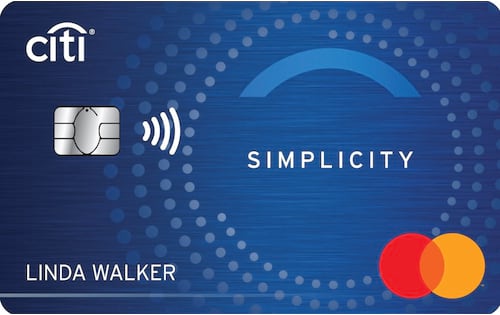
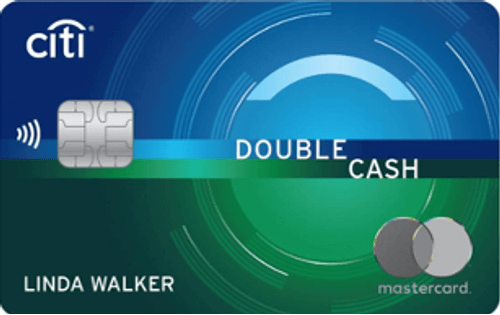
| Citi Simplicity® Card | 0% for 21 months | 3% intro fee ($5 min) for each transfer in first 4 months, and 5% ($5 min) for each transfer after that |
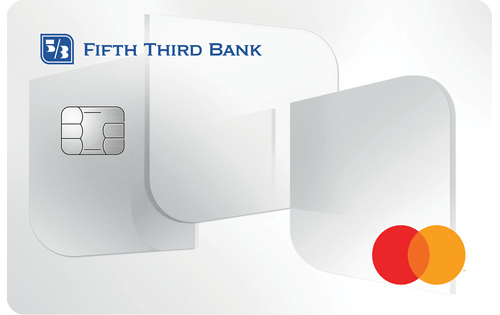
| Fifth Third 1% Cash/Back Card | 0% for 15 months | 4% (min $5) |
| Citi® Diamond Preferred® Card | 0% for 21 months | 5% (min $5) |
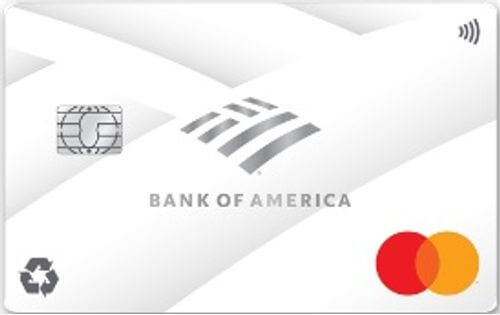
| BankAmericard® credit card | 0% for 18 billing cycles for any balance transfers made in the first 60 days | 3% |
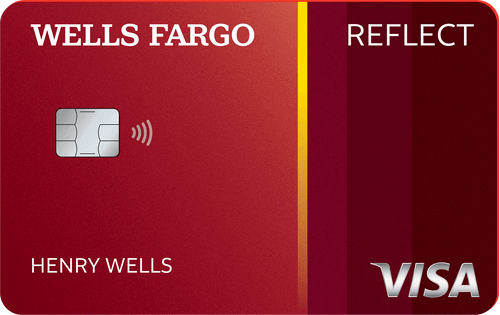
| Wells Fargo Reflect® Card | 0% for 21 months from account opening on qualifying balance transfers | 5% (min $5) |
Most of the best transfer credit cards require at least good credit for approval. So if you’re not sure where you stand, you may want to check your latest credit score for free on WalletHub before you apply.
Finally, it’s worth noting that the very best balance transfer credit card you can get is none at all. So once you’ve paid off what you owe, turn your focus to budgeting and making sure you don’t get into debt again. To learn more, check out our balance transfer guide.
What Is a Balance Transfer Credit Card?
A balance transfer credit card is a card designed to help you pay off an existing debt at a better interest rate. Most cards have the option to transfer balances, though the ones designated as “balance transfer cards” generally offer low introductory interest rates on transfers and sometimes have low transfer fees. Learn more.
How to Do a Balance Transfer
The best way to do a balance transfer is to apply for a new credit card with a low balance transfer APR and low fees. The new card’s issuer will pay your original creditor for the amount transferred, and you will then owe that amount, plus a balance transfer fee of 0% - 3%+, to the new card’s issuer.
Here are the steps involved:
-
Check your credit score
Balance transfer credit cards with 0% APRs usually require good credit or better for approval. Knowing your credit score will make it easier to compare relevant credit card offers.
-
Find the best balance transfer card for you
Compare cards based on their balance transfer APRs, balance transfer fees, and annual fees. Also, consider how much you can afford to pay each month. Using a balance transfer calculator can help.
-
Apply for your balance transfer card
Fill out the application with your personal and financial information, including the section of the application for requesting a balance transfer. Provide the account number and the amount you want to transfer to make the request. It’s best to ask for a balance transfer when you apply because promotional 0% APR periods start as soon as the account opens.
-
Keep making payments
Keep up payments to your original creditor until the balance transfer goes through, or you could be marked as past-due. You will be credited for any payments made during this period after the transfer gets processed.
-
Receive a decision
The issuer may allow you to transfer the full amount that you request or offer to transfer part of the balance instead. Or, your balance transfer request could be denied, depending on your creditworthiness and available funds.
-
Pay the rest of the balance
Try to pay off a transferred balance before your new credit card’s low introductory APR expires. A high regular rate will apply to any balance remaining at that time. If you still have a balance on your original account, continue repaying that as well.
How Long Does a Balance Transfer Take?
A balance transfer usually takes 14 to 21 days from when you submit a balance transfer credit card application. But depending on the issuer, it could take as few as 3 days or as many as 42. To make a balance transfer take as little time as possible, apply online so the issuer can review your application sooner.
See how long a balance transfer takes each major issuer.
Should You Get a Balance Transfer Credit Card?
You should get a balance transfer credit card if it will save you money. To determine whether a balance transfer card will save you money, use a balance transfer calculator to compare the cost of sticking with your current card or loan to the savings available from the latest balance transfer offers.
You will also need good credit or better to qualify for the best balance transfer cards. If you don’t know where you stand, you can check your credit score for free, right here on WalletHub.
Learn more about when it’s wise to do a balance transfer.
Pros and Cons of Balance Transfer Credit Cards
| Pros | Cons |
| Cards with 0% introductory APR promotions are common. | Balance transfer fees can be costly. |
| You can reduce the cost of debt and pay it off sooner. | Most cards have a high regular APR. |
| You can consolidate multiple balances. | Most cards require good or excellent credit. |
| Your credit score could improve in the long run. | You could rack up more debt if you don’t pay off what you owe or adjust your spending. |
| Some cards offer 0% purchases, rewards on purchases, and useful benefits. | Your credit score could drop for a short period of time after you apply. |
Learn more about the pros and cons of balance transfers.
Alternatives to a Balance Transfer
The best alternatives to a balance transfer with a credit card are unsecured personal loans, secured loans, and debt management programs.
The terms offered by secured and unsecured loans won’t be as good of a deal as a 0% APR balance transfer, however. Debt management programs are a good option if the debt situation is more dire - that is, if the monthly payment has become unaffordable.
Learn more about balance transfer alternatives.
Methodology for Selecting the Best Balance Transfer Credit Cards
 To identify the best balance transfer credit cards, WalletHub’s editors regularly compare 1,500+ credit card offers, focusing on each card’s introductory balance transfer APR, balance transfer fee, regular APR, annual fee and approval requirements. In order to take all of these factors into account, we consider the cost associated with paying off a particular credit card balance over 24 months, using WalletHub’s balance transfer calculator.
We use a $5,000 balance for people with good credit or excellent credit, a $3,000 balance for fair credit, and a $1,000 balance for limited credit or bad credit. Other factors, such as rewards, are used as a tiebreaker.
After crunching the numbers, we conclude the process by picking the best deals in the most popular categories, including for each credit level.
Sources
WalletHub actively maintains a database of 1,500+ credit card offers, from which we select the best balance transfer credit cards for different applicants as well as derive market-wide takeaways and trends. The underlying data is compiled from credit card company websites or provided directly by the credit card issuers. We also leverage data from the Bureau of Labor Statistics to develop cardholder profiles, used to estimate cards’ potential savings.