




60
Research Hours
371
Companies Reviewed
1,745
Cards Reviewed
- Best rewards credit cards compared
- Methodology
- Sources
- About the author
- User questions & answers
- Expert opinions
Best Rewards Credit Cards Compared
| Credit Card | Best For | Rewards Rate | Initial Bonus Offer |
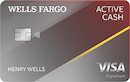
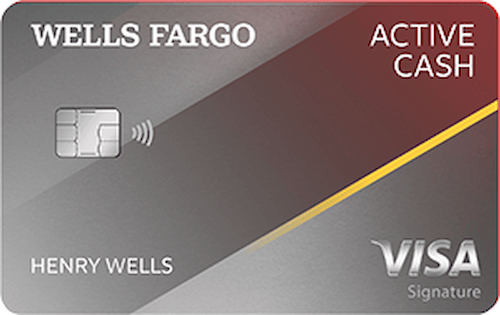
| Wells Fargo Active Cash® Card | Overall | 2% Cash Rewards |
$200 Cash Rewards |
| Chase Freedom Unlimited® | Rewards with No Annual Fee | 1.5 - 5% Cash Back | Extra 1.5% cash back, up to $20k spent the first year |
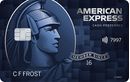
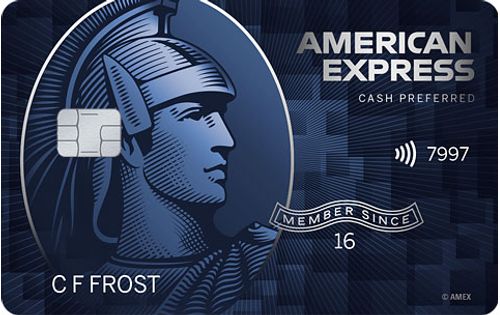
| Blue Cash Preferred® Card from American Express | Bonus Cash Back Rewards | 1 - 6% Cash Back | $250 statement credit for spending $3,000 in the first 6 months |
| Chase Sapphire Preferred® Card | Travel Rewards | 1 - 5 points / $1 | 60,000 bonus points for spending $4,000 in the first 3 months |
| Capital One Venture Rewards Credit Card (see Rates & Fees) | Travel Bonus | 2 - 5 miles / $1 | 75,000 miles for spending $4,000 in the first 3 months |
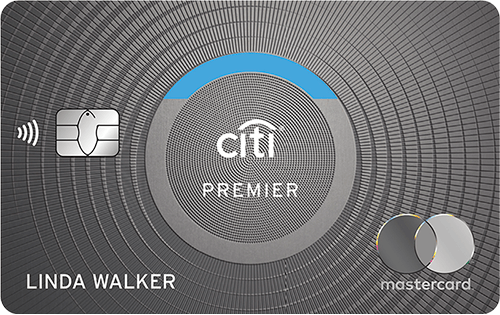
| Citi Premier® Card | Initial Bonus | 1 - 3 points / $1 | 60,000 points for spending $4,000 in the first 3 months |
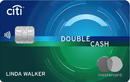
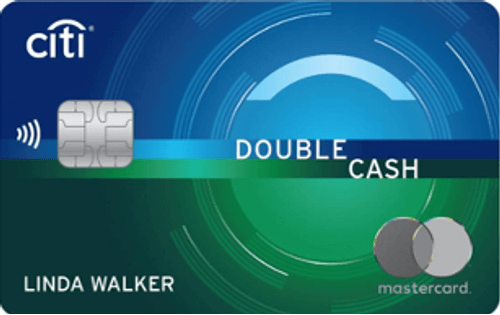
| Citi Double Cash® Card | Rewards with Fair Credit | 2% Cash Back | $200 for spending $1,500 in the first 6 months |
| Chase Freedom Rise℠ | Rewards with No Credit | 1.5% Cash Back | N/A |
| Discover it® Secured Credit Card | Rewards with Bad Credit | 1 - 2% Cash Back | Earned rewards doubled at the end of year one for new cardmembers |
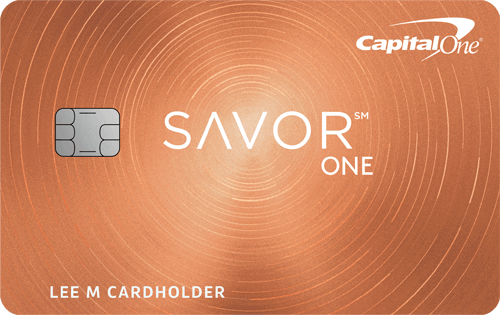
| Capital One SavorOne Student Cash Rewards Credit Card (see Rates & Fees) | Students | 1 - 8% Cash Back | $50 for spending $100 in the first 3 months |
The best credit card rewards come in all shapes and sizes. The offers on this page are the best overall. But you can find more great options by checking out WalletHub’s picks for the best cash back credit cards and the best travel rewards cards.
Methodology for Selecting the Best Rewards Credit Cards
 To identify the best rewards credit cards, WalletHub’s editors compare all the credit cards with cash back, points or miles in our database of 1,500+ credit card offers. We consider the key components of the WalletHub Rating, focusing on the amount each card is likely to save or cost the average consumer over 24 months of use, after subtracting annual fees from expected rewards earnings. We use a two-year timeframe because it helps level the playing field between cards with big initial bonuses and cards with better ongoing rewards.
How Two-Year Cost Is Calculated
Two-year cost is used to approximate the monetary value of cards for better comparison and is calculated by combining annual and monthly membership fees over two years, adding any one-time fees or other fees (like balance transfer fees), adding any interest costs, and subtracting rewards. Negative amounts indicate savings. When fees or other terms are presented as a range, we use the midpoint for scoring purposes.
Rewards bonuses and credits have been taken into account for two-year cost calculations. However, bonuses applicable to only a very small portion of cardholders are not considered. For example, credits and bonuses awarded for spending or redeeming rewards through a company portal with non-co-branded cards have not been taken into account. Similarly, bonuses and credits related to spending with specific merchants using a non-co-branded card have not been taken into account (for example, if Card A offers credits with DoorDash, this feature would not be factored into calculations because it is hard to assess how many cardholders would use the benefit or exactly how much value they'd get from it).
Cardholder Spending Profiles
Given that different users have different goals and are likely to use their credit cards differently, we identified spending profiles that are representative of different users’ financial priorities and behaviors. For each cardholder type, we have assumed a specific amount of monthly spending by purchase type (e.g., groceries, gas, etc.), as well as an average balance, balance transfer amount, amount spent on large purchases and average monthly payment. Spending assumptions are based on Bureau of Labor Statistics data.
Sources
WalletHub actively maintains a database of 1,500+ credit card offers, from which we select the best rewards credit cards for different applicants as well as derive market-wide takeaways and trends. The underlying data is compiled from credit card company websites or provided directly by the credit card issuers. We also leverage data from the Bureau of Labor Statistics to develop cardholder profiles, used to estimate cards’ potential savings.