


There are more options to choose from than you might think. Our analysis shows that no foreign transaction fee credit cards represent nearly 30% of the credit card offers available in 2024.
- Our picks
- Methodology
- How we picked the best no foreign transaction fee credit cards
- Sources
- Beginner's guide
- About the author
- User questions & answers
- Expert opinions
Best No Foreign Transaction Fee Credit Cards Comparison
| Credit Card | Best For | Annual Fee |
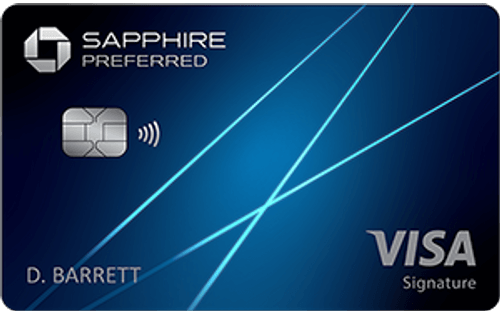
| Chase Sapphire Preferred® Card | Winner | $95 |
| Discover it® Miles | No Annual Fee | $0 |
| Capital One SavorOne Student Cash Rewards Credit Card (see Rates & Fees) | Students | $0 |
| Capital One Venture Rewards Credit Card (see Rates & Fees) | Travel Rewards | $95 |
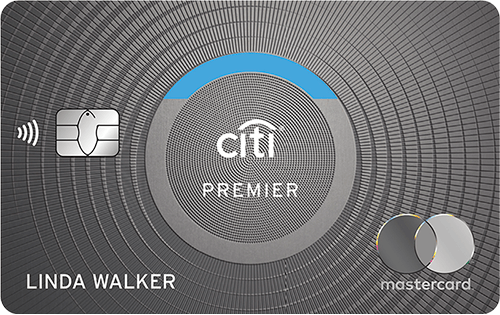
| Citi Premier® Card | Good Credit | $95 |
| Capital One Spark 2% Cash Plus * | Business | $150 |
Whether you’re traveling abroad or making purchases through an internationally based merchant, there are many reasons to get a credit card with no foreign fees.
Methodology for Selecting the Best No Foreign Transaction Fee Credit Cards
To identify the best credit cards with no foreign transaction fees, WalletHub’s editors regularly compare more than 1,500 credit card offers based on key WalletHub Rating components. We start by excluding all the offers with foreign fees and then calculate expected cardholder costs/savings for the remaining options. This enables us to find the best no foreign transaction fee credit cards in different usage categories, from cards for frequent travelers to offers with no annual fee.
How Two-Year Cost Is Calculated
Two-year cost is used to approximate the monetary value of cards for better comparison and is calculated by combining annual and monthly membership fees over two years, adding any one-time fees or other fees (like balance transfer fees), adding any interest costs, and subtracting rewards. Negative amounts indicate savings. When fees or other terms are presented as a range, we use the midpoint for scoring purposes.
Rewards bonuses and credits have been taken into account for two-year cost calculations. However, bonuses applicable to only a very small portion of cardholders are not considered. For example, credits and bonuses awarded for spending or redeeming rewards through a company portal with non-co-branded cards have not been taken into account. Similarly, bonuses and credits related to spending with specific merchants using a non-co-branded card have not been taken into account (for example, if Card A offers credits with DoorDash, this feature would not be factored into calculations because it is hard to assess how many cardholders would use the benefit or exactly how much value they'd get from it).
Cardholder Spending Profiles
Given that different users have different goals and are likely to use their credit cards differently, we identified spending profiles that are representative of different users’ financial priorities and behaviors. For each cardholder type, we have assumed a specific amount of monthly spending by purchase type (e.g., groceries, gas, etc.), as well as an average balance, balance transfer amount, amount spent on large purchases and average monthly payment. Spending assumptions are based on Bureau of Labor Statistics data for consumers and PEX data for businesses.
Sources
WalletHub actively maintains a database of 1,500+ credit card offers, from which we select the best no foreign transaction fee credit cards for different applicants as well as derive market-wide takeaways and trends. The underlying data is compiled from credit card company websites or provided directly by the credit card issuers. We also leverage data from the Bureau of Labor Statistics to develop cardholder profiles, used to estimate cards’ potential savings.
Beginner’s Guide to No Foreign Transaction Fee Credit Cards
What Is a Foreign Transaction Fee?
A foreign transaction fee on a credit card is a surcharge added to any transaction processed outside of the United States. The purpose of a foreign transaction fee is to cover the cost of currency conversion and international payment processing, and roughly 70% of credit cards have this type of fee.
How Foreign Fees Work:
When you make a purchase with a merchant located outside of the U.S. using a credit card that charges a foreign transaction fee, the credit card network will convert the cost of the transaction to U.S. dollars and typically charge a 1% fee for doing so. In addition, the credit card issuer may add a fee equal to 2% of the purchase amount, for a total foreign fee of 3%.
For example, if you buy something for 1,000 Euros from a Parisian merchant, it might cost $1,081 and generate a $32 foreign fee. As a result, the final total would be $1,113.
When Banks Can Charge Foreign Fees:
Foreign transaction fees apply to any purchase processed outside of the United States. Obviously, this includes purchases that you make when you are traveling abroad. What many people don’t realize is that it also includes purchases made through merchants based abroad while you’re still in the U.S. This could include online orders from international sellers, for example.
Learn more about foreign transaction fees.
How Much Are Foreign Transaction Fees?
Foreign transaction fees equal a percentage of each purchase you make, so the exact cost depends on how much you spend. Credit cards with foreign transaction fees charge 1% to 3% in most cases. In addition, some credit cards do not charge foreign fees, including all the cards from certain issuers.
Foreign Transaction Fees by Credit Card Company
| Issuer | Foreign Transaction Fee |
| American Express | Up to 2.70% |
| Bank of America | Up to 3.00% |
| Capital One | No foreign fees |
| Chase | Up to 3.00% |
| Citibank | Up to 3.00% |
| Discover | No foreign fees |
| HSBC | No foreign fees |
| PNC | 3.00% |
| USAA | 1.00% |
| U.S. Bank | Up to 2.00% |
| Wells Fargo | Up to 3.00% |
Who Should Get Credit Cards With No Foreign Transaction Fees?
You should get a credit card with no foreign transaction fee if you plan to travel abroad or make purchases through merchants based outside of the U.S. The best credit cards without foreign fees are some of the best credit cards overall, so you won’t be missing out on anything by avoiding foreign fees. Foreign fee-free offers are available for any credit score, too.
Below, you can learn more about when and why it makes sense to get a credit card with no foreign fee.
5 Reasons to Get One of the Best Cards with No Foreign Fees
- Most Credit Cards Charge Foreign Fees. About 70% of cards have foreign fees, according to our database. So if you don’t seek out a no foreign fee card, chances are you won’t get one. And no one wants to pay an extra 2% or 3% if they don’t have to.
- Credit Cards Have the Best Exchange Rates. A Visa or Mastercard credit card will help you save time and money – up to 8% – relative to converting hard currency at a local bank or an airport kiosk. But a foreign fee would limit your savings.
- Foreign Fees Erode Rewards. The average foreign fee is about 1.56% of the amount you spend, according to our latest Credit Card Landscape Report, but many cards charge 3%. The average cash back credit card, on the other hand, gives you just over 1% back.
- Pickpockets Won’t Be as Scary. If someone robs you of cash while you’re in a foreign country, there’s not much you can do about it. That money is gone. But if someone steals your credit card, you can request an overnight replacement, and you won’t be held liable for any unauthorized charges.
- You Won’t Have to Sacrifice. Getting a card without foreign transaction fee does not mean giving up hopes of earning rewards or avoiding interest. Many of the market’s best credit cards do not charge foreign fees, so you can still find a great deal for your particular needs.
How to Pick the Best Credit Cards With No Foreign Transaction Fee
- Check Your Credit Score.
The very best credit cards with no foreign transaction fees require good or excellent credit, which means you need at least a 700+ credit score for good odds of approval. You aren’t out of luck if you have a lower score, but you will need to consider cards with lower credit score requirements. There are good options for people of all credit levels. You can check your current credit score for free right here on WalletHub.
- Decide Between Rewards and Low Interest as Your Top Priority.
If you expect to pay your bill in full every month, you should focus on rewards because you won’t be charged interest on your purchases. More specifically, you should compare offers based on your expected savings after subtracting any annual fees the cards charge. On the other hand, if you need a credit card with no foreign fee to use for a big-ticket purchase that will take months to pay off, a 0% introductory APR will likely save you the most money. You can find no foreign fee cards with a variety of other features, and you might be able to get one that gives you both good rewards and a low intro rate, but few cards do everything exceptionally well.
- Consult Our Expert Picks.
You don’t have to do a lot of legwork just to find the best credit card with no foreign transaction fee because we’ve already done the research. We’ve evaluated more than 1,500 credit card offers and selected the best options based on our proprietary rating system. So, use our best picks as a short list of finalists, and simply choose the offer that suits your situation the best. Unlike other sites, we cast a very wide net and consider users’ best interests when choosing the best cards.
- Compare Offers on WalletHub.
WalletHub makes it easy to compare credit card offers with no foreign transaction fees and really get the full picture of what each brings to the table, thanks to helpful comparison tools, thousands of user ratings and reviews, and editorial analysis. These features make it simple to choose between the best cards.
- Try CardAdvisor or More Personalized Recommendations.
WalletHub’s free CardAdvisor tool suggests the best credit cards for your needs based on your answers to a few simple questions. If you want to take things to the next level, you can sign up for a free WalletHub account to get recommendations customized based on your credit report.
How to Use Your Credit Card Internationally
-
Use Credit for as Much as Possible: Credit cards automatically provide low exchange rates and a $0 fraud liability guarantee. Options for exchanging hard currency are more expensive, and you’ll simply lose the money if your cash gets stolen.
-
Pay in the Local Currency: Never accept a foreign merchant’s offer to convert the cost of a purchase from the native currency into U.S. dollars. This might seem more convenient, but it’s actually just an excuse to charge an unfavorable exchange rate and profit off you even more. This little trick is known as Dynamic Currency Conversion.
-
Bring a No Foreign Fee Debit Card for Backup: You won’t be able to use a credit card for everything when you travel abroad, so it’s good to bring a debit card that also has no foreign fee. You’ll benefit from inexpensive, automatic currency conversion, and you can take out cash as needed instead of carrying around lots of currency.
-
Tell Your Bank You’re Leaving: Most credit card issuers are sophisticated enough now not to need a heads up when you’re headed out of town, but it doesn’t hurt to give one anyway. This can reduce the chances that your card is suspended due to suspicious charges when you’re outside your normal spending area.
-
Consult Your Card’s Guide to Benefits: No foreign transaction fee credit cards often provide a host of travel benefits that can save you from a lot of hassle and expense when traveling abroad. For example, you could have insurance for lost/delayed luggage, trip interruption/cancellation, rental car damage and more. But if you don’t know what your card offers, you won’t know what to take advantage of when the time comes. Taking inventory of what’s available before you take off internationally is therefore a wise move.