 WalletHub
 Compare College Student Credit Cards
WalletHub makes student credit card comparison easy.
COMPARE STUDENT CREDIT CARDS
We're sorry, but after searching our extensive database, we were unable to locate any credit cards that match the following criteria: {{tag.tag}}{{$last ? '' : ', '}}
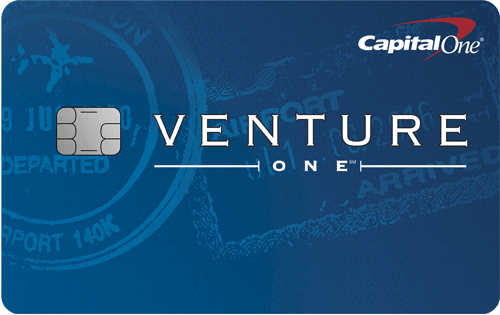
- 20,000 miles initial bonus
- Unlimited 1.25 miles per $1 on every purchase
- Miles are redeemable for any travel-related expense on your bill
- 0% intro APRs
- No annual fee
- Balance transfer fee
- Potential for a very high regular APR
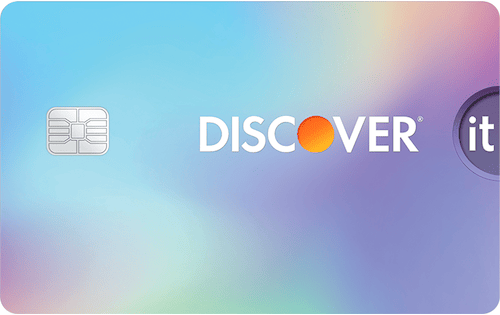
- First-year rewards doubled
- No annual fee
- No foreign-transaction fee
- Intro APR on purchases
- High regular APR
- No initial bonus
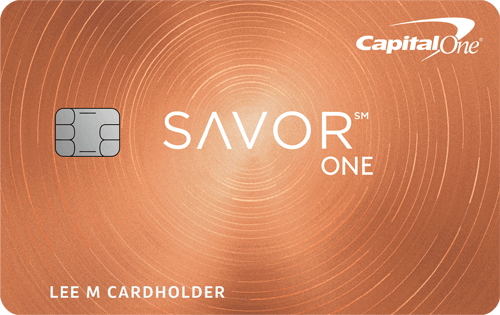
- Earn $200 initial bonus
- High rewards rate
- $0 annual fee
- 0% intro APR on purchases and balance transfers
- High regular APR
- Balance transfer fee
- Requires good/excellent credit
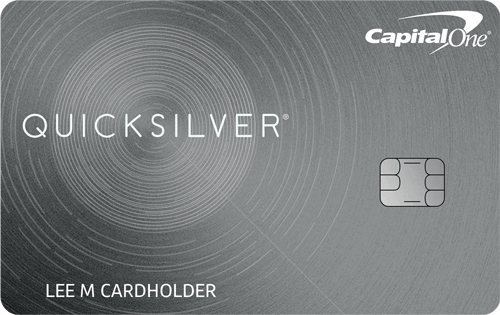
- $200 initial bonus
- 1.5% cash back on all purchases
- No annual fee
- 0% intro APR on purchases and balance transfers
- Potential for a very high interest rate
- Balance transfer fee
- Requires good/excellent credit
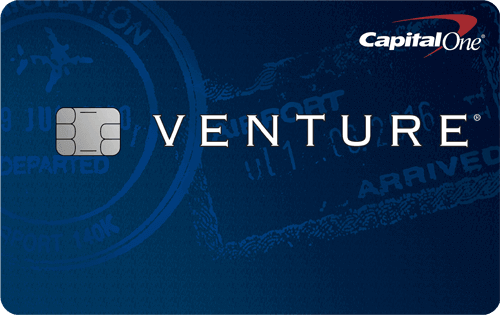
- 75,000 miles initial bonus
- Unlimited 2 miles per $1 on every purchase
- Redeem for any-travel related expense
- $0 foreign transaction fee
- Terrible cash back redemption rate
- Not built for financing
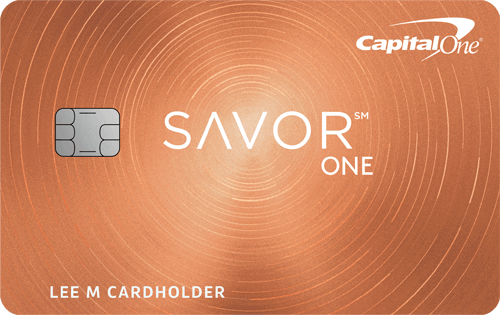
- No membership fees
- High rewards rate
- Earn $50 initial rewards bonus
- No foreign transaction fee
- Potential for a high interest rate
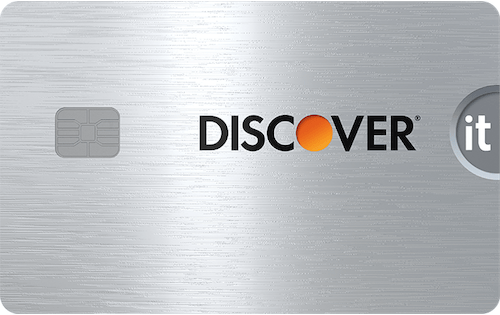
- No membership fees
- Intro APR on purchases
- High rewards rate
- Bonus categories
- Spending caps on rewards
- No initial rewards bonus
- Balance transfer fee
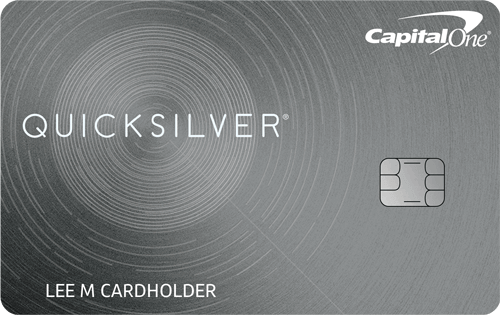
- No membership fees
- High rewards rate
- $50 initial rewards bonus
- No foreign transaction fees
- Potential for a high interest rate
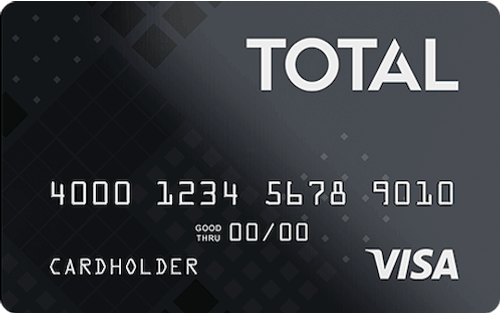
- Qualify with bad credit
- Does not require security deposit
- $89 one-time program fee
- $75 annual fee for the first year
- $147 in fees starting year two
- High APR
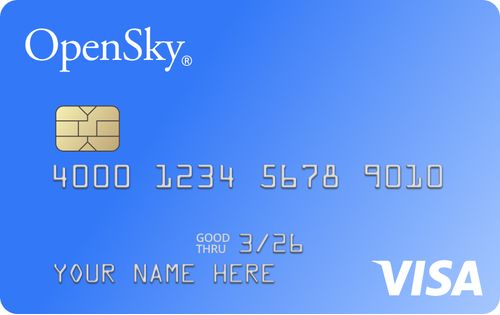
- Reasonable $35 annual fee
- As low as $200 minimum deposit
- 3% foreign transaction fee
Student Credit Card Comparison Tips
 There are a few things to keep in mind as you prepare to compare student credit cards. For one thing, the best student credit cards don’t charge an annual fee. They also offer lucrative rewards and/or 0% introductory APRs for the first handful of months. Students are well-positioned when it comes to credit cards, you see. Banks are willing to give students better deals than their limited credit experience would ordinarily merit because students have above-average earning potential and years of financial needs in front of them.
 Finding the best student credit card for your needs should be easy, then. Just pick your favorite from the following list of offers that our editors have identified as being the best credit cards for college students in 2024.
Student Credit Cards Compared
| Card Name | Annual Fee | Rewards Rate |
| Discover it® Student Chrome | $0 | 2% cash back at gas stations and restaurants (up to $1,000 spent each quarter combined), and 1% back on all other purchases |
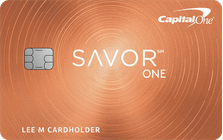
| Capital One SavorOne Student Cash Rewards Credit Card (see Rates & Fees) | $0 | 1 - 8% cash back |
| Bank of America® Unlimited Cash Rewards credit card for Students | $0 | 1.5% cash back |
| Capital One Quicksilver Student Cash Rewards Credit Card (see Rates & Fees) | $0 | 1.5 - 5% cash back |
| Bank of America® Travel Rewards credit card for Students | $0 | 1.5 points per $1 |
You can also learn more about these cards and other great offers for people pursuing a degree from our editors’ full-length review of 2024’s Best Credit Cards for College Students.
Methodology for Selecting Student Credit Cards to Compare
To identify the best student credit cards for people to consider, WalletHub’s editors regularly compare all of the credit cards for college students from our database of 1,500+ credit card offers. In doing so, the goal is to minimize fixed costs and maximize potential savings for the cardholder.
As a result, we start by comparing student credit card fees and ruling out any cards that are prohibitively expensive. We then estimate how much each card’s rewards would save the average cardholder who pays the bill in full every month, plus how much the cards’ interest rates would cost someone paying off a balance over the course of several months. This comparison ultimately leads us to the best student credit cards in the most popular usage categories.
About the author

John S Kiernan
Student Credit Card Comparison FAQ
Comparing college student credit cards can be tough. But you’ve got the knowledgeable WalletHub community on your side. We encourage everyone to share their knowledge while respecting our content guidelines. Please keep in mind that editorial and user-generated content on this page is not reviewed or otherwise endorsed by any financial institution. In addition, it is not the financial institution’s responsibility to ensure all posts and questions are answered. WalletHub independently collected information for some of the cards on this page.show more
show less
Searching for answers... No Matching Results




Featured Credit Cards

Expert Opinions
Since student credit cards are the subject, we’re taking you back to school for some extra-credit advice on the best ways for students to use plastic and the biggest mistakes to avoid. We posed the following questions to a panel of experts, and you can check out their bios and responses below.
- What attributes would you say the best student credit cards share?
- What is the best way for a college student to use a credit card?
- What is the biggest mistake that college students make with credit cards?
- What is your best piece of advice for a college student who is considering applying for a credit card?
- Should credit cards be easier or harder for college students to get (or is it just right)?

Ph.D., Clinical Assistant Professor, Department of Finance, School of Management, University at Buffalo
Read More

Ph.D., Visiting Assistant Professor of Finance, College of Business and Economics, Longwood University
Read More

Financial Wellness Curator, Money Talk With Tiff and Adjunct Instructor, UNC Greensboro-Bryan School of Business and Economics
Read More

George Mason University Foundation Professor of Law, Antonin Scalia Law School at George Mason University
Read More

MBA, CPM, Clinical Professor of Finance, Knauss School of Business, University of San Diego
Read More

Ph.D., CFA, F.R.M., Associate Professor of Finance, Texas Wesleyan University, School of Business Administration & Professional Programs
Read More
Important Disclosures
We work hard to show you up-to-date product terms, however, this information does not originate from us and thus, we do not guarantee its accuracy. Actual terms may vary. Before submitting an application, always verify all terms and conditions with the offering institution. Please let us know if you notice any differences.
† Approval Odds are WalletHub estimates intended to gauge your likelihood of approval for a particular product. Approval Odds are based on WalletHub data and are not provided or endorsed by the lender. Approval Odds are not meant to imply or guarantee that you will be approved by the lender or that credit will be extended. WalletHub may share your information with third-parties in order to show personalized offers, as well as enable you to interact more easily with pre-fill forms or applications. You can opt-out of sharing your personal info here.
Ad Disclosure Certain offers that appear on this site originate from paying advertisers, and this will be noted on an offer’s details page using the designation "Sponsored", where applicable. Advertising may impact how and where products appear on this site (including, for example, the order in which they appear). At WalletHub we try to present a wide array of offers, but our offers do not represent all financial services companies or products.
Editorial and user-generated content on this page is not provided, commissioned, reviewed, approved or otherwise endorsed by any issuer.
Your web browser (Internet Explorer) is out of date and no longer supported.
Please download one of these up-to-date, free and excellent browsers: